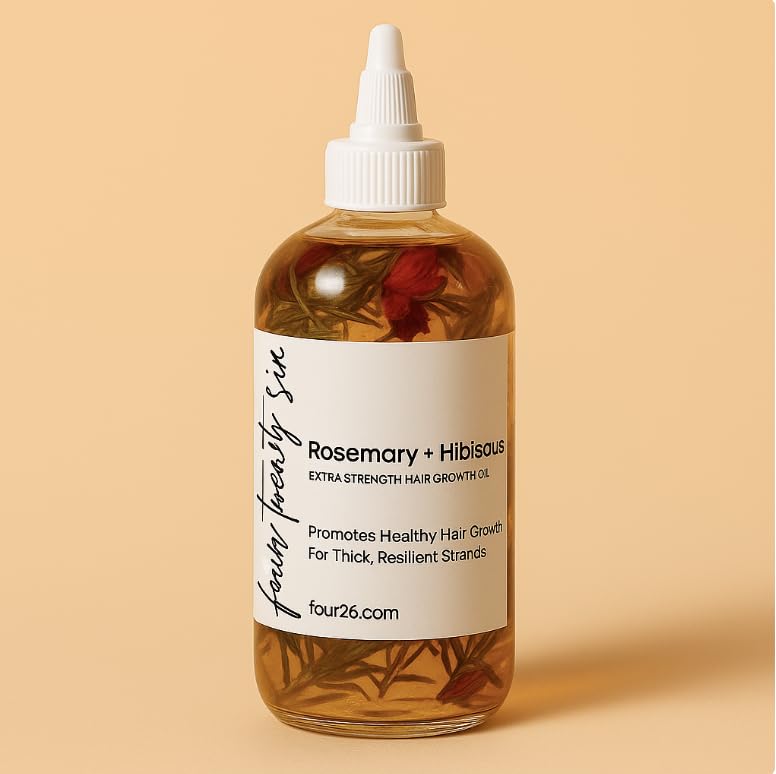
A variety of natural hair growth oils I tested in my routine.
I’ve always dreamed of having stronger, fuller hair, but for years I was skeptical about hair growth oils. I kept seeing products online, with people swearing by castor oil, rosemary oil, or argan oil, but I thought, Do they really work or is it just hype? Eventually, curiosity won, and I started trying them myself. After months of testing different oils, here’s my honest experience — the good, the bad, and whether hair growth oils are worth adding to your routine.
—
What Exactly Are Hair Growth Oils?
Castor oil, rosemary oil, coconut oil, and argan oil are among the most popular hair growth oils.
Hair growth oils are natural or blended oils designed to nourish your scalp, reduce hair fall, and create an environment for healthier growth. Some of the most popular options are:
Castor Oil – famous for strengthening roots and reducing hair breakage.
Rosemary Oil – stimulates circulation in the scalp, often compared to minoxidil in studies.
Coconut Oil – deeply moisturizes and prevents protein loss in hair strands.
Argan Oil – rich in vitamin E, adds shine and softness.
My Personal Experience Using Hair Growth Oils
Regular scalp massage with hair oils helped reduce my hair fall.
When I first started, I used Jamaican Black Castor Oil twice a week, massaging it into my scalp before bed and washing it out in the morning. After a month, I noticed less shedding when combing my hair and a stronger feel overall.
Later, I tried mixing a few drops of Rosemary Essential Oil with coconut oil. This gave me a refreshing, tingling feeling on my scalp — almost like it was “waking up” the roots. Within six weeks, I noticed baby hairs starting to grow along my hairline, which I hadn’t seen in years!
I also used Moroccan Argan Oil after styling, mainly for shine and softness. While it didn’t directly boost growth, it definitely reduced dryness and made my hair look healthier.
—
Do Hair Growth Oils Really Work?
With consistent use, hair oils can improve strength, shine, and thickness.
From my experience, the answer is yes — but with patience. Hair growth oils won’t make your hair grow overnight. Instead, they:
Improve scalp health by increasing circulation.
Reduce breakage, so your hair can actually retain length.
Strengthen existing hair and add shine.
The key is consistency. I saw noticeable results after 2–3 months of use. If you expect instant miracles, you’ll be disappointed. But if you stick with it, the benefits are real.
—
Tips for Using Hair Growth Oils Effectively
I mix rosemary oil with coconut oil for better scalp absorption.
Warm the oil slightly before massaging to improve absorption.
Apply to the scalp, not just the hair strands.
Leave it on at least 30 minutes (overnight is even better).
Use 2–3 times per week for best results.
Pair with a healthy diet rich in protein and vitamins.
—
Products I Recommend
My favorite products: Jamaican Black Castor Oil, Rosemary Essential Oil, and Moroccan Argan Oil.
If you want to try hair growth oils, here are the ones I personally used and loved:
👉 You can easily find these oils on Amazon, Lazada, or Shopee. Just make sure to buy from trusted sellers so you get authentic, pure oils.
—
Conclusion
8
After months of experimenting, I can honestly say hair growth oils do work, but they’re not a magic solution. They help by creating the right environment for hair to grow stronger and healthier, while reducing breakage and adding shine. If you’ve been struggling with thinning or weak hair like I did, give them a try — just be consistent, and you’ll start to notice results over time.
Healthy hair takes patience, but with the right products and care, it’s absolutely possible!
Contains information related to marketing campaigns of the user. These are shared with Google AdWords / Google Ads when the Google Ads and Google Analytics accounts are linked together.
90 days
__utma
ID used to identify users and sessions
2 years after last activity
__utmt
Used to monitor number of Google Analytics server requests
10 minutes
__utmb
Used to distinguish new sessions and visits. This cookie is set when the GA.js javascript library is loaded and there is no existing __utmb cookie. The cookie is updated every time data is sent to the Google Analytics server.
30 minutes after last activity
__utmc
Used only with old Urchin versions of Google Analytics and not with GA.js. Was used to distinguish between new sessions and visits at the end of a session.
End of session (browser)
__utmz
Contains information about the traffic source or campaign that directed user to the website. The cookie is set when the GA.js javascript is loaded and updated when data is sent to the Google Anaytics server
6 months after last activity
__utmv
Contains custom information set by the web developer via the _setCustomVar method in Google Analytics. This cookie is updated every time new data is sent to the Google Analytics server.
2 years after last activity
__utmx
Used to determine whether a user is included in an A / B or Multivariate test.
18 months
_ga
ID used to identify users
2 years
_gali
Used by Google Analytics to determine which links on a page are being clicked
30 seconds
_ga_
ID used to identify users
2 years
_gid
ID used to identify users for 24 hours after last activity
24 hours
_gat
Used to monitor number of Google Analytics server requests when using Google Tag Manager
1 minute
SourceBuster is used by WooCommerce for order attribution based on user source.
Name
Description
Duration
sbjs_first
Traffic origin information for the visitor’s first visit to your store (only applicable if the visitor returns before the session expires)
session
sbjs_current
Traffic origin information for the visitor’s current visit to your store
session
sbjs_first_add
Timestamp, referring URL, and entry page for your visitor’s first visit to your store (only applicable if the visitor returns before the session expires)
session
sbjs_current_add
Timestamp, referring URL, and entry page for your visitor’s current visit to your store
session
sbjs_migrations
Technical data to help with migrations between different versions of the tracking feature
session
sbjs_session
The number of page views in this session and the current page path
30 minutes
sbjs_udata
Information about the visitor’s user agent, such as IP, the browser, and the device type