When it comes to beauty, I’ve fallen for a lot of myths. Some came from friends, some from social media, and others from ads that promised flawless skin. But once I started experimenting, researching, and really paying attention to what worked for me, I realized a lot of these “rules” aren’t true at all. Here are five of the biggest myths I’ve personally busted—plus the truths that actually made a difference.
Myth 1: Expensive Products Are Always Better
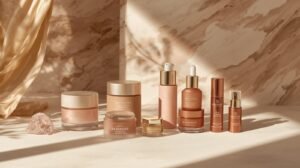
I used to splurge on high-end skincare, convinced that a $100 cream had to be better than the $15 one at the drugstore. But the results? Honestly, disappointing. My skin didn’t change much, except my wallet got a lot lighter.
The truth? Effectiveness comes down to ingredients and formulation, not price. Affordable products often use the same key ingredients—like hyaluronic acid, vitamin C, and retinol—that luxury brands do. What you’re really paying extra for is often the packaging and marketing.
Now, I check ingredient lists and look for proven actives rather than chasing prestige brands. Some of my favorite serums are under $20—and they’ve done more for my skin than the “luxury” potions I once thought were magical.
—
Myth 2: You Need to Drink Eight Glasses of Water a Day for Healthy Skin

For years, I carried a giant water bottle everywhere. I believed that if I didn’t hit eight glasses daily, my skin would instantly look dull and tired.
But here’s the truth: Hydration is important, but the “8 glasses a day” rule is oversimplified. Research shows that hydration needs depend on factors like climate, diet, and activity level. Foods like watermelon, cucumber, and even soups contribute to hydration, too.
Instead of stressing over glass counts, I now listen to my body’s thirst cues and focus on a mix of water, water-rich foods, and moisturizers that lock in hydration. My skin feels healthier and more balanced—without the pressure of hitting some magic number.
—
Myth 3: Sunscreen Is Only Necessary on Sunny Days
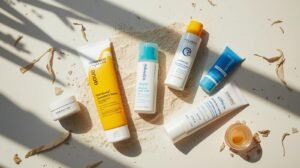
I used to skip sunscreen whenever it was cloudy or I wasn’t spending much time outside. I thought, “If the sun’s not out, what’s the point?”
The truth is shocking: Up to 80% of UV rays can penetrate through clouds, and UVA rays (the ones that cause premature aging) are present year-round. Even in winter, UV rays can reflect off snow and damage skin. That means sunscreen isn’t just a summer essential—it’s an everyday necessity.
Now, I make sunscreen a non-negotiable step in my morning routine, no matter the weather. It’s one of the simplest habits that’s made the biggest difference in keeping my skin protected and youthful.
—
Myth 4: Makeup Can Cause Acne
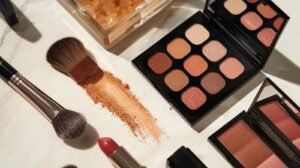
Back in high school, I thought my breakouts were all because of makeup. I’d avoid foundation completely before big events, only to feel self-conscious about the acne I already had.
But the real story is more nuanced. Makeup itself doesn’t directly cause acne—it depends on the formulation. Non-comedogenic and oil-free products are designed not to clog pores, and many modern formulas even include soothing or skin-friendly ingredients. The bigger culprit? Not removing makeup properly at night. Residue mixed with oil and dirt can definitely trigger breakouts.
These days, I enjoy wearing makeup without fear. I just stick to non-comedogenic products, cleanse thoroughly, and keep up with my acne-care routine. My skin is happier—and so am I.
—
Myth 5: Natural Ingredients Are Always Safer

I used to reach only for “all-natural” products, thinking chemicals were always harsh and harmful. Aloe, coconut oil, green tea—if it was natural, I felt like it had to be better.
But here’s the reality: Natural doesn’t automatically mean safe or effective. Poison ivy is natural—but you wouldn’t rub it on your face. Likewise, synthetic ingredients are often more stable, tested, and precise in their formulation. For example, lab-made vitamin C is just as effective (if not more reliable) than its natural counterpart, because it’s designed to penetrate skin in the right form.
Now, I don’t judge a product by whether it’s natural or synthetic. I focus on evidence-backed ingredients that are safe for my skin type. Sometimes that’s botanical, sometimes it’s lab-made—and often, it’s a mix of both.
—
✅ Final Takeaway: Beauty myths are everywhere, but once you start looking past marketing and quick fixes, the truth becomes much clearer. For me, busting these myths has meant less stress, smarter shopping, and a routine that actually works.
Disclaimer: As an amazon associate I earn from qualifying purchases.
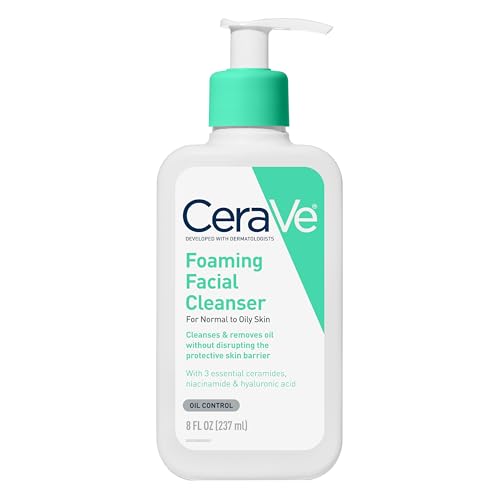
- [ FOAMING FACE WASH ] Oily skin cleanser dispenses as a clear gel cleanser and transforms into a foam as you lather. Cle…
- [NON- DRYING FACE CLEANSER] Fragrance-free, paraben free, non-comedogenic, non-drying, and non-irritating. Gently refres…
- [ MULTI-USE SKIN CARE ] Skin Cleanser for face and/or body and can be used as a hand wash. Suitable for daily cleansing …

- [ ALL-IN-ONE DAILY FACIAL CLEANSER ] One-step skin care, foaming face wash for face & eye makeup removal while providing…
- [ CREAM TO FOAM HYDRATING CLEANSER ] Moisturizing face wash dispenses as a rich cream and transforms into a foam as you …
- [ DRY SKIN FACE WASH ] Gentle face wash formulated with hyaluronic acid and amino acids to support skin’s Natural Moistu…

- Gentle Cleansing for Sensitive Skin: Vanicream is the #1 dermatologist-recommended Brand for Sensitive Skin*. This face …
- Won’t Clog Pores: Carefully formulated to be non-comedogenic, this face cleanser helps support skin prone to sensitivity…
- No Common Irritants: The pH-balanced formula of this gentle face cleanser contains no soap, gluten, fragrance, dye, lano…