My Journey With PCOS
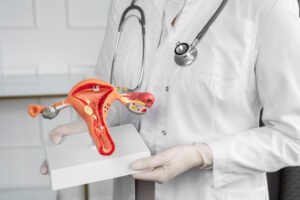
When I was first diagnosed with PCOS, I felt like my body was working against me. The irregular cycles, sudden weight gain, and stubborn acne all left me frustrated. On top of that, my doctor warned me about the long-term risks—like diabetes and heart disease—which made the condition feel even heavier.
But as I began to research and experiment, I realized something powerful: PCOS doesn’t have to control your life. With the right mix of diet, supplements, and lifestyle changes, you can take charge of your health. What worked for me might not work for everyone, but sharing my journey—and the science behind it—might help someone else feel less alone.
Understanding PCOS in Simple Terms

Polycystic Ovarian Syndrome (PCOS) is one of the most common hormonal disorders in women of reproductive age. It often shows up as:
Irregular or missed periods
Acne and oily skin
Excess hair growth (especially on the face and body)
Weight gain, usually around the belly
The underlying issue is hormonal imbalance—particularly higher-than-normal levels of androgens (male hormones). Many women also struggle with insulin resistance, meaning the body doesn’t process sugar efficiently. That’s why PCOS is linked to weight gain and a higher risk of diabetes.
When I learned this, it made sense why my cravings were intense and why my energy levels were so up and down. It wasn’t “just in my head”—it was my hormones.
The Importance of Diet in Managing PCOS
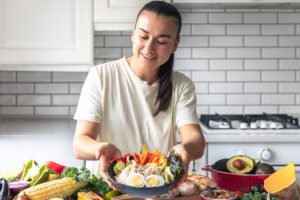
Food became my first line of defense. Once I shifted my diet, my body slowly started responding better.
Here’s what made the biggest difference for me (and what experts recommend too):
Low-GI foods: Switching from white rice and sugary snacks to whole grains, lentils, and leafy greens helped stabilize my blood sugar and reduced my afternoon crashes.
Healthy fats: I started adding avocado to salads and snacking on nuts and seeds. These not only kept me fuller longer but also supported hormone balance.
Lean proteins: Grilled chicken, salmon, or even chickpeas became staples. They kept my energy steady and helped reduce carb cravings.
Cutting processed food: The hardest part—but the most rewarding. Reducing refined sugar and packaged snacks made a big difference in my skin and bloating.
Even small, mindful changes helped me maintain a healthier weight, which in turn improved my cycles and boosted my mood.
Essential Food Supplements for PCOS

While food is the foundation, supplements gave me an extra boost. My doctor recommended a few key ones that changed the game for me:
Inositol (Myo + D-Chiro): This was my first supplement, and within a few months, I noticed my cycles becoming more regular. It helps improve insulin sensitivity and supports ovarian health.
Omega-3 fatty acids: I added fish oil capsules, and they eased some of the inflammation I was dealing with. Bonus: my skin started looking clearer too.
Vitamin D: I learned I was deficient (a lot of women with PCOS are), and supplementing helped with my energy and mood.
Chromium: This mineral helped curb sugar cravings and supported better blood sugar control.
💡 Tip: Supplements aren’t one-size-fits-all. Before I started any, I checked with my doctor to make sure they were right for me—and I recommend you do the same.
Lifestyle Changes That Made a Real Difference
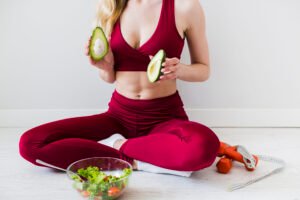
Diet and supplements were important, but lifestyle changes tied everything together for me.
Exercise: I found a mix of strength training and yoga worked best. I didn’t need to overdo it—just being consistent (150 minutes a week) helped regulate my cycles and boosted my mood.
Stress management: Stress made my symptoms worse, so I started journaling and practicing meditation before bed. Even short breathing exercises helped calm my system.
Better sleep: When I started prioritizing 7–8 hours of quality sleep, my energy levels improved, and I noticed fewer cravings the next day.
The more I cared for my body holistically, the more my PCOS felt manageable—not like a life sentence.
Final Thoughts
PCOS can feel overwhelming, but it doesn’t have to define you. Through small, consistent changes—choosing whole foods, adding the right supplements, moving your body, and managing stress—you can create a routine that supports your health.
For me, the journey wasn’t about finding a quick fix—it was about creating habits that helped me feel more in control and more confident. And that’s what I hope for anyone navigating PCOS: to realize that with patience and the right tools, you can thrive.
Disclaimer: As an Amazon associate I earn from qualifying purchases.

- EASY-TO-MIX INOSITOL POWDER: VITA-PCOS myo-inositol & d-chiro inositol for women offers a convenient alternative to caps…
- 40:1 MYO & D-CHIRO INOSITOL FORMULA: Each serving delivers 2000mg myo-inositol and 50mg d chiro inositol, reflecting the…
- FORMULATED FOR WOMEN’S NEEDS: This myo inositol supplement for women combines mioinositol and d chiro inositol to delive…

- WOMEN’S REGULAR CYCLE BALANCE – Myo & D – Chiro Inositol is a meticulously formulated inositol supplement designed speci…
- INOSITOL SUPPLEMENT – 2000 mg of Myo-Inositol and 50 mg of D-Chiro-Inositol + Omega 3 contains, with added Zin C and Vit…
- NATURAL BALANCE – Promotes your body balance so you look and feel great. This Inositol gummies support matches the body’…
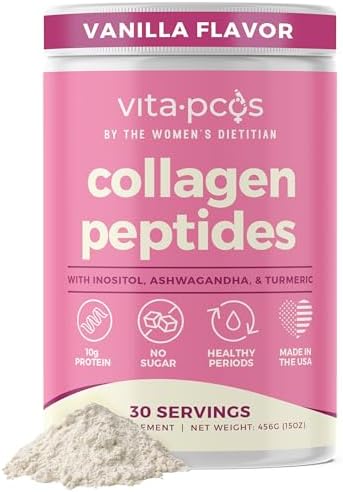
- HELPS INTO HAIR, SKIN & NAIL ROUTINES: Feed your glow from within with collagen peptide protein that supports radiant sk…
- HIGH PROTEIN COLLAGEN WITH JUST 40 CALORIES: VITA PCOS delivers 10g of collagen protein powder with peptides in every se…
- FORMULATED WITH INOSITOL, ASHWAGANDHA & TURMERIC: More than just a scoop of protein—this unique blend includes inositol,…